
If you’ve ever noticed a lingering “pooch,” core weakness, or discomfort after pregnancy (or even without pregnancy), you’re not alone.
Diastasis recti is incredibly common—but what most people don’t realize is that the way you exercise can either help it heal… or make it worse.
The good news? With the right approach, you can safely rebuild your core and support your body long-term. This is something that I’ve encouraged all of my patients and clients that I have seen for diastasis over the years.
What Is Diastasis Recti?
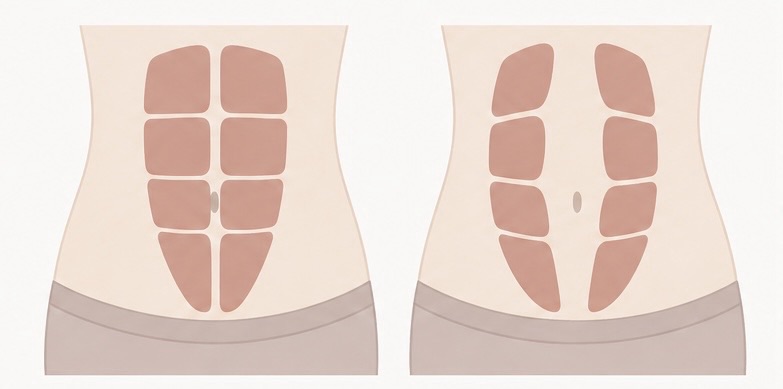
Diastasis recti is a separation of the abdominal muscles caused by stretching of the connective tissue (linea alba).
It most commonly happens during pregnancy, but it can also be caused by:
- Improper core training
- Chronic increased abdominal pressure
- Heavy lifting without proper core engagement
Common signs include:
- A visible “coning” or doming in your stomach
- A soft gap along your midline
- Core weakness or instability
- Back or pelvic discomfort
Why Exercise Matters (But Needs to Be Done Right)
Healing diastasis recti isn’t about doing more ab workouts—it’s about doing the right ones.
The goal is to:
- Strengthen your deep core (transverse abdominis)
- Reduce excessive pressure on your abdomen
- Improve coordination between your core and pelvic floor
Safe Exercises for Diastasis Recti
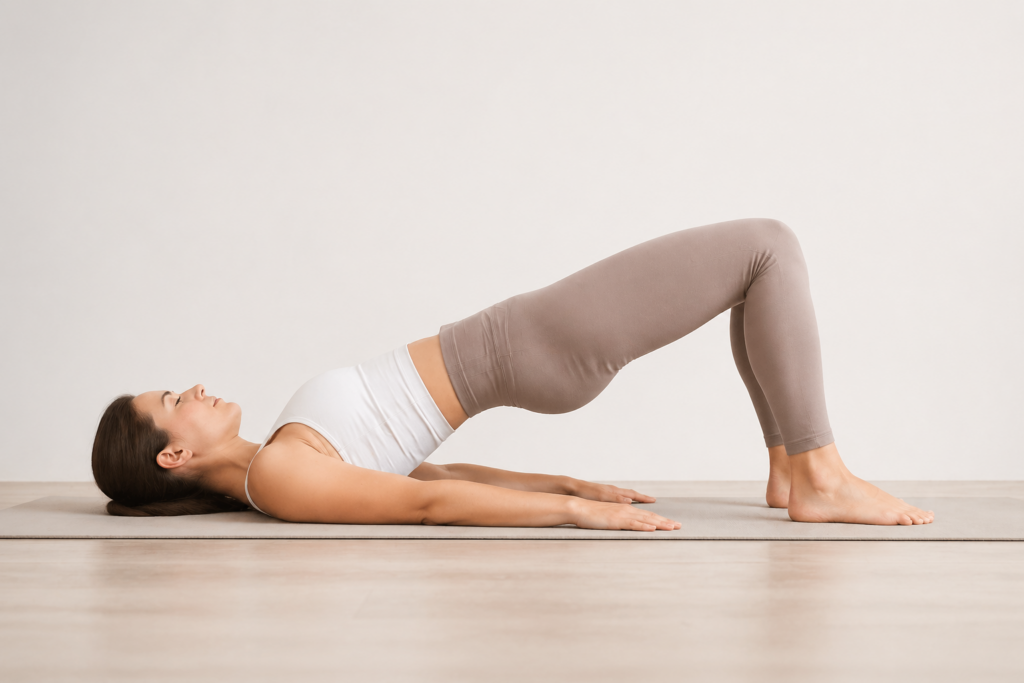
These exercises focus on control, stability, and deep core activation:
- Diaphragmatic breathing
- Pelvic tilts
- Heel slides
- Glute bridges
- Bird dog
- Modified side plank (on knees)
Exercises to Avoid (For Now)
These can increase intra-abdominal pressure and worsen the separation:
- Crunches + sit-ups
- Bicycle or reverse crunches
- Full planks and push-ups (early stages)
- Double leg lifts or lowers
- Heavy lifting without proper bracing
- Twisting movements
Quick Daily Routine (10 Minutes)
Do this 1x per day or 3–4x per week:
- Diaphragmatic breathing – 2 minutes
- Pelvic tilts – 10–12 reps
- Heel slides – 8–10 per side
- Glute bridges – 10–12 reps
- Bird dog – 6–8 per side
Optional: Add a modified side plank (15–20 seconds/side)
How to Test for Diastasis Recti at Home
- Lie on your back, knees bent
- Place fingers above your belly button
- Lift your head slightly
- Feel for a gap
👉 A gap of ~2 finger-widths or more may indicate diastasis recti.
What Proper Core Engagement Should Feel Like
You’re aiming for subtle, controlled activation—not strain.
It should feel like:
- A gentle drawing in of your core
- A corset-like tightening
- Steady breathing
- Light pelvic floor lift
- Stability and control
Not:
- Bulging or doming
- Breath holding
- Neck or back strain
Everyday Movements Matter Too

Healing happens outside workouts too.
Be mindful of:
- Getting out of bed
- Standing up quickly
- Lifting kids or groceries
- Twisting with weight
Simple fixes:
- Use the log roll to get out of bed
- Exhale before lifting
- Move slowly and with control
- Keep ribs stacked over hips
Common Mistakes That Slow Healing
- Jumping into core workouts too soon
- Holding your breath
- Ignoring coning/doming
- Prioritizing intensity over control
- Skipping deep core work
- Not engaging the pelvic floor
- Lifting without proper bracing
What to Expect: A Realistic Timeline
- Weeks 1–2: Learning connection + breathing
- Weeks 3–6: Building strength + control
- Weeks 6–12: Visible + functional improvements
- 3+ months: Continued strength + progression
The Bottom Line
This isn’t about “bouncing back.”
It’s about rebuilding your strength in a way that supports your body for the long run.
Focus on:
- Consistency
- Control
- Proper breathing
- Deep core engagement
And trust that progress will come. You’ve got this!