
Pelvic Floor Health
-
7 Common Bladder Habits That Could Be Hurting Your Pelvic Health
From “just in case” bathroom trips to not drinking enough water, small daily habits can have a bigger impact on your bladder health than you might think. Discover seven habits to avoid and simple changes that can support a healthier pelvic floor.
-

Best Sleeping Positions for Pelvic Pain: A Physical Therapist’s Guide
Pelvic pain can make it difficult to fall asleep and stay asleep. As a pelvic floor physical therapist, I’m sharing the sleeping positions and simple pillow adjustments that have helped many of my patients find more comfort at night.
-

Signs Your Pelvic Floor Might Be Too Tight
Pelvic floor problems aren’t always caused by weakness. A pelvic floor that is too tight can contribute to urinary urgency, constipation, pelvic pain, pain during intercourse, and more. Learn the common signs of a tight pelvic floor, plus simple stretches and breathing techniques that may help promote relaxation.
-
Let’s Talk About Your Core Muscles
When most people think about their core, they think about abs. But your core is actually a team of muscles—including your abdominal muscles, pelvic floor, diaphragm, and deep back muscles—that work together to support your posture, breathing, movement, and everyday activities. As a physical therapist, I love helping people understand how these muscles function as…
-
To Kegel or Not to Kegel: What Your Pelvic Floor Actually Needs
Kegels aren’t always the answer—and in some cases, they can actually make things worse. Learn what your pelvic floor really needs, how to tell if tension or weakness may be the issue, and why connection matters more than constant squeezing.
-
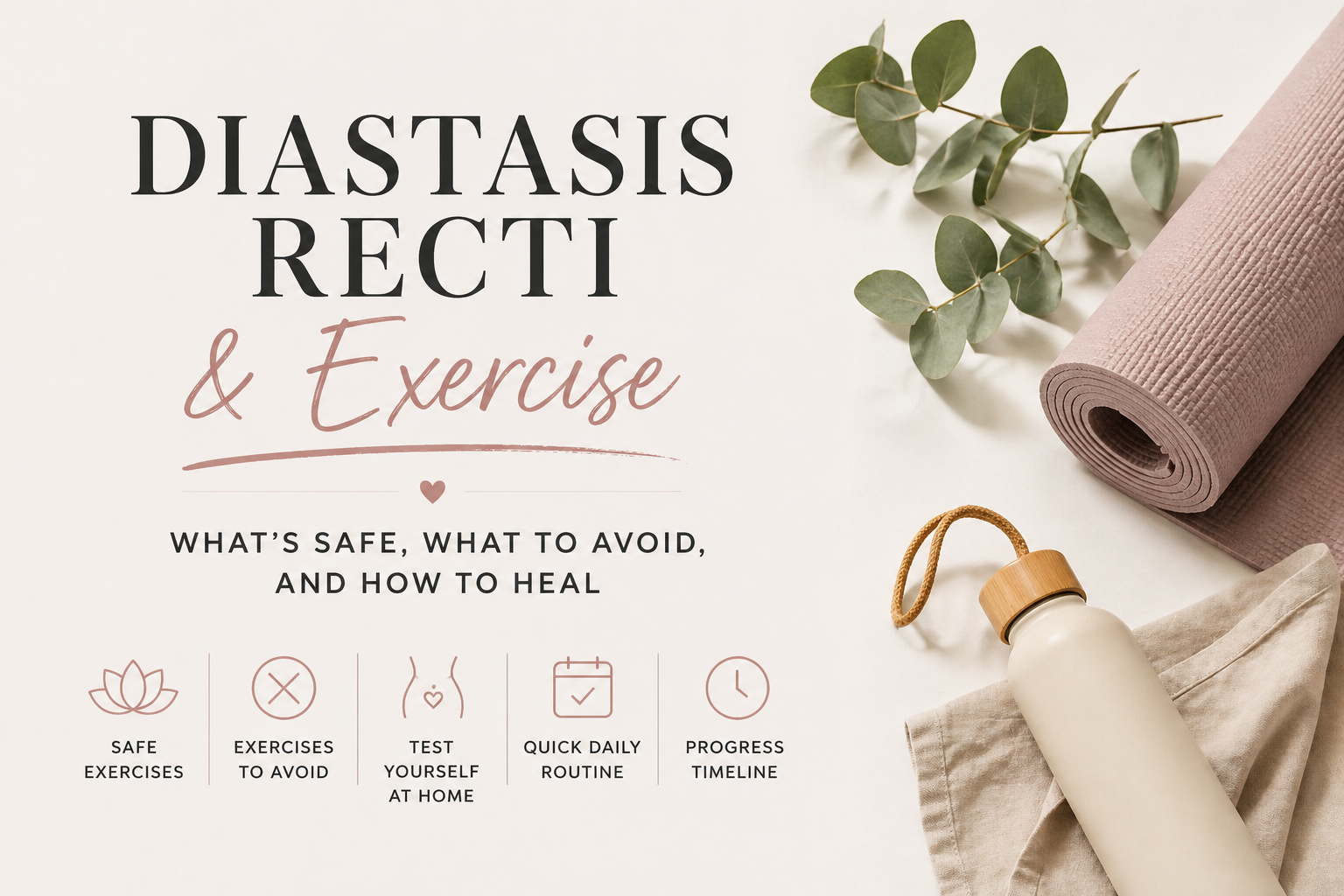
Diastasis Recti & Exercise: What’s Safe, What to Avoid, and How to Heal
Struggling with diastasis recti? Learn which exercises are safe, what to avoid, and how to rebuild your core with a simple, effective routine.
-
Cycle Syncing Your Workouts: How to Train With Your Body, Not Against It
Ever notice how some workouts feel amazing one week… and impossible the next? You’re not imagining it. Here’s how to sync your workouts with your cycle so you can feel stronger, more energized, and actually stay consistent.
-
Let’s Talk About Period Pain
If you deal with painful periods, you’re not alone. But there are ways to manage your symptoms more effectively—starting with understanding what actually helps and what might be working against you.
-
Why Pelvic Floor Physical Therapy Matters During Pregnancy & Postpartum
Pregnancy and postpartum bring major changes to your body—but symptoms like leaking, pain, or core weakness aren’t something you just have to live with. Learn how pelvic floor physical therapy can support your body through pregnancy, recovery, and beyond.