

When most people think about pelvic floor problems, they think about weakness. Leaking when you sneeze, difficulty holding your bladder, or needing to do more Kegels are often the first things that come to mind.
But what many women don’t realize is that the pelvic floor can also be too tight.
A tight pelvic floor occurs when the muscles at the bottom of the pelvis remain tense and have difficulty relaxing. Just like constantly clenching your shoulders can lead to pain and stiffness, constantly gripping your pelvic floor can create a variety of uncomfortable symptoms.
As a pelvic floor physical therapist, I often see women who are surprised to learn that their symptoms are related to pelvic floor tension rather than weakness. In fact, doing more Kegels can sometimes make the problem worse.
Let’s talk about some common signs that your pelvic floor may be too tight.
What Is the Pelvic Floor?
The pelvic floor is a group of muscles that sits like a hammock at the bottom of your pelvis. These muscles support your bladder, bowel, and reproductive organs while helping with bladder control, bowel movements, core stability, and sexual function.
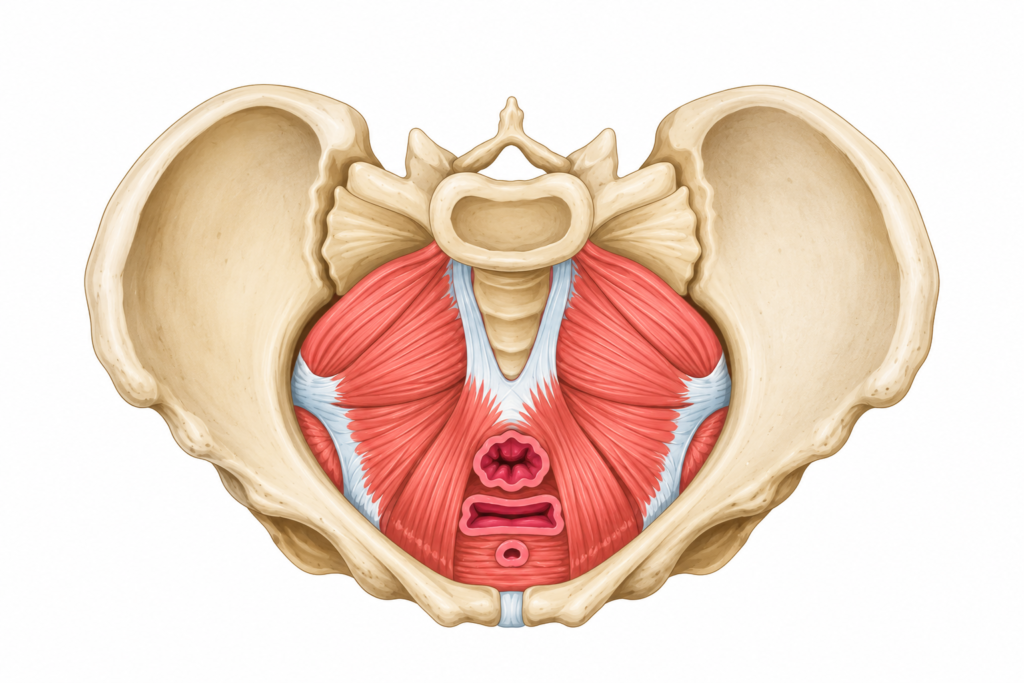
For these muscles to work properly, they need to be able to both contract and relax.
When the muscles stay tense for long periods of time, symptoms can begin to develop.
Pain During Intimacy
One of the most common signs of a tight pelvic floor is pain during penetration.
Women may describe discomfort, burning, pressure, or a feeling that their muscles are “guarding” or tightening involuntarily. This can make intimacy uncomfortable and stressful.
While pain during intercourse can have many causes, a tight pelvic floor is one possibility worth discussing with your healthcare provider.
Difficulty Starting Urination
Do you ever sit down to urinate and feel like it takes a while for the stream to begin?
A tight pelvic floor can make it difficult for the muscles around the urethra to fully relax, which may cause hesitancy when starting urination.
Some women also report feeling like they need to push or strain to empty their bladder.
Frequent Urge to Urinate
Many people assume urinary frequency is always caused by drinking too much water or having a urinary tract infection.
However, pelvic floor tension can sometimes create feelings of urgency or frequent urges to urinate, even when the bladder isn’t completely full.
Constipation or Difficulty Having a Bowel Movement
The pelvic floor plays an important role during bowel movements.
If these muscles struggle to relax, it can make passing stool more difficult. Some women notice constipation, excessive straining, or a sensation that they cannot fully empty their bowels.
Pelvic Pain or Pressure
Persistent aching, heaviness, pressure, or discomfort in the pelvis can sometimes be related to muscle tension.
Symptoms may worsen after prolonged sitting, periods of stress, intense exercise, or long days on your feet.
Low Back, Hip, or Tailbone Pain
The pelvic floor does not work in isolation. It is closely connected to the muscles of the abdomen, hips, glutes, and lower back.
When the pelvic floor remains tight, it can contribute to pain patterns that extend beyond the pelvis itself.
Some women experience unexplained low back pain, hip discomfort, or tailbone pain that doesn’t seem to improve despite stretching other areas.
You Constantly Hold Tension Without Realizing It
Stress affects the entire body.
Many women unknowingly clench their jaw, tighten their shoulders, or grip their stomach throughout the day. The pelvic floor is no different.
If you’re constantly rushing, stressed, or holding your breath, you may also be holding unnecessary tension in your pelvic floor muscles.
What Can Help?
If you suspect your pelvic floor may be too tight, the solution is often not strengthening but learning how to relax and coordinate these muscles.
Helpful strategies may include:
- Diaphragmatic breathing
- Gentle stretching and mobility exercises
- Stress management techniques
- Relaxation-focused pelvic floor exercises
- Working with a pelvic floor physical therapist
A thorough evaluation can help determine whether your symptoms are related to pelvic floor tension and guide the most appropriate treatment plan.
A Simple Pelvic Floor Relaxation Routine
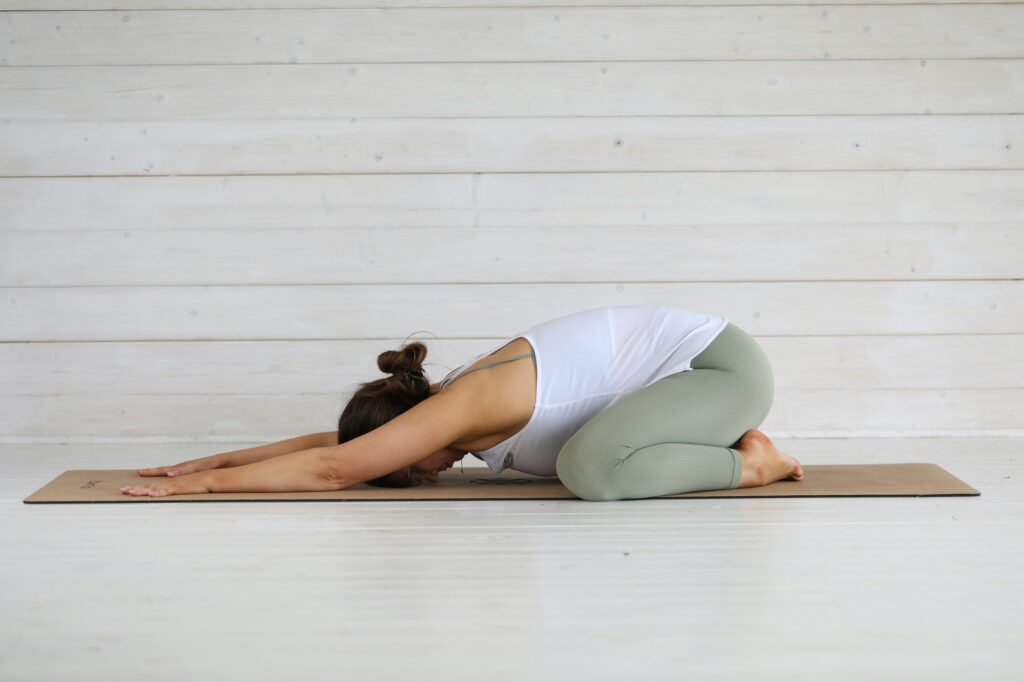
If you suspect your pelvic floor is holding excess tension, these gentle stretches may help encourage relaxation and improve mobility in the muscles surrounding the pelvis.
The goal is not to force a stretch, but to combine gentle movement with slow, relaxed breathing.
Try holding each stretch for 30-60 seconds while taking slow breaths into your belly and rib cage.
1. Child’s Pose
Child’s Pose helps gently lengthen the muscles of the low back, hips, and pelvic floor.
- Kneel on the floor and sit back toward your heels.
- Reach your arms forward and rest your chest toward the floor.
- Take slow, deep breaths and allow your belly to expand as you inhale.
2. Happy Baby
This yoga pose can help open the hips and promote pelvic floor relaxation.
- Lie on your back.
- Bring your knees toward your chest.
- Hold the outsides of your feet or ankles.
- Gently draw your knees toward your armpits while breathing deeply.
3. Deep Supported Squat
A supported squat can help lengthen the pelvic floor muscles.
- Hold onto a sturdy surface for balance if needed.
- Lower into a comfortable squat position.
- Keep your heels on the floor if possible.
- Focus on relaxing your hips and pelvic floor with each exhale.
4. Butterfly Stretch
This stretch targets the inner thighs and hips, which often work closely with the pelvic floor.
- Sit with the soles of your feet together.
- Allow your knees to gently fall outward.
- Sit tall and breathe deeply.
5. Figure 4 Stretch
Tight glute and hip muscles can contribute to pelvic tension.
- Lie on your back.
- Cross one ankle over the opposite knee.
- Gently pull the supporting leg toward your chest.
- Repeat on the other side.
Don’t Forget to Breathe
Breathing is one of the most effective tools for relaxing a tight pelvic floor.
As you inhale, imagine your pelvic floor gently lengthening and relaxing downward. As you exhale, simply allow the muscles to return to their resting position without actively squeezing or clenching.
For many women, consistent breathing practice can be just as important as stretching.
Important: If stretching increases your symptoms, causes pain, or your symptoms persist, consult a pelvic floor physical therapist for an individualized assessment and treatment plan.
How Long Does It Take to Relax a Tight Pelvic Floor?
One of the most common questions I hear as a pelvic floor physical therapist is, “How long will it take before I feel better?”
The answer depends on several factors, including how long your symptoms have been present, the severity of your muscle tension, your stress levels, and how consistently you’re performing your home exercises.
That said, many women notice some improvement within 2-6 weeks of regularly practicing relaxation techniques, breathing exercises, and gentle stretching.
For women with longstanding symptoms, recovery may take several months. It’s important to remember that pelvic floor tension often develops gradually over time, and it can take time for those muscles to learn how to fully relax again.
A typical rehabilitation timeline may look something like this:
Weeks 1-2
- Increased awareness of pelvic floor tension
- Learning proper breathing techniques
- Beginning gentle stretching and relaxation exercises
Weeks 3-6
- Improved ability to relax the pelvic floor
- Decreased feelings of tension or pressure
- Reduced urinary urgency or discomfort for some individuals
Weeks 6-12+
- Continued symptom improvement
- Better coordination between the core, diaphragm, and pelvic floor
- Increased comfort with daily activities, exercise, and intimacy
Keep in mind that progress is rarely perfectly linear. Some days may feel better than others, especially during stressful periods when the body naturally tends to hold more tension.
The most important factor is consistency. Small amounts of daily practice are often more effective than occasional long stretching sessions.
Final Thoughts
A pelvic floor that is too tight can cause a surprising range of symptoms, from urinary urgency and constipation to pelvic pain and discomfort during intercourse.
The good news is that these symptoms are common, treatable, and not something you simply have to live with.
If several of these signs sound familiar, consider discussing your symptoms with your healthcare provider or a pelvic floor physical therapist. Understanding what your body is telling you is often the first step toward feeling better.