
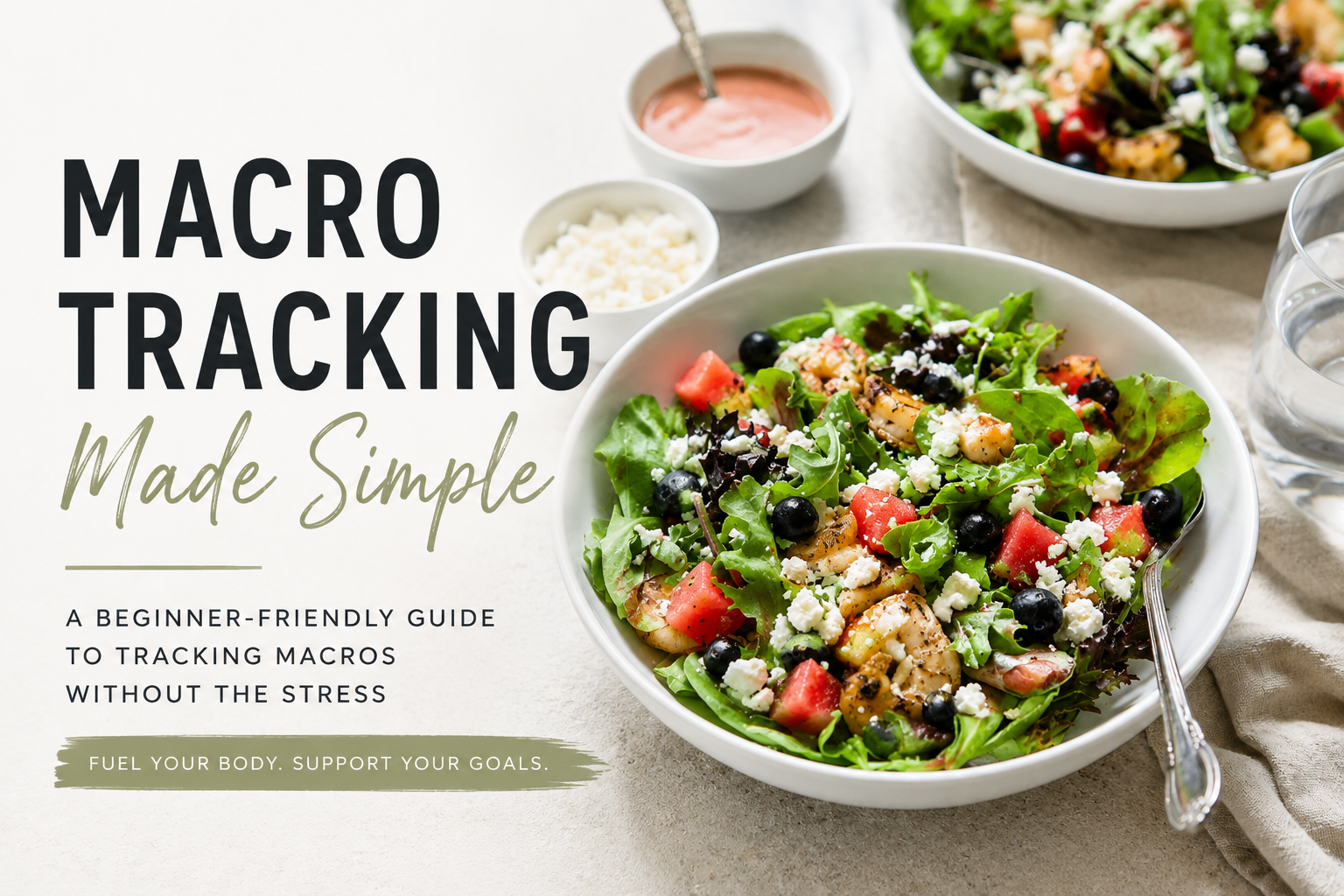
If you’ve ever tried learning about macros, chances are you ended up overwhelmed within five minutes. I can tell you, I have been there!
Protein goals. Food scales. Tracking apps. Numbers everywhere.
It can all feel a little intimidating at first.
But macro tracking doesn’t have to be complicated or obsessive to be helpful. At its core, tracking macros is simply a way to better understand what you’re eating and how it helps fuel your body. It’s not about perfection — and it definitely doesn’t mean you have to give up the foods you love.
In this guide, we’re breaking macro tracking down in the simplest way possible so you can feel more confident building balanced meals, supporting your goals, and creating sustainable habits that fit into real life.
What Are Macros?
“Macros” is short for macronutrients — the three main nutrients your body needs in large amounts for energy and overall function.
Those three macros are protein, carbohydrates, and fats.
Protein
Protein helps support muscle recovery, fullness, strength, and overall body function.
Common protein sources include:
- Chicken
- Eggs
- Greek yogurt
- Cottage cheese
- Fish
- Protein shakes
- Tofu
Carbohydrates
Carbohydrates are your body’s primary source of energy. Despite what diet culture and fads may suggest, carbs are not something to fear.
Common carbohydrate sources include:
- Rice
- Fruit
- Potatoes
- Pasta
- Bread
- Oats
Fat
Healthy fats help support hormones, brain function, and meal satisfaction.
Common fat sources include:
- Avocado
- Peanut butter
- Nuts and seeds
- Olive oil
- Cheese
- Butter
Most foods contain a combination of macros, and learning how they work together can help you create meals that leave you feeling energized and satisfied.
Macros Help Fuel Your Body
Macros are about more than numbers in an app — they help fuel your body for everyday life.
Getting enough protein, carbohydrates, and fats can support:
- Energy levels
- Workout performance
- Muscle recovery
- Strength and endurance
- Focus and concentration
- Overall daily function
As a physical therapist, I especially see how important proper nutrition can be when it comes to movement, exercise, and recovery. Whether you’re strength training, walking regularly, chasing after your kids, or simply trying to feel better throughout the day, your body needs adequate fuel to support those activities.
For example:
- Carbohydrates help provide energy for workouts and movement
- Protein supports muscle repair and recovery
- Fats help support hormones and overall health
Under-fueling your body can sometimes leave you feeling exhausted, sore, low-energy, or constantly hungry — even if you’re trying to make what seems like “healthy” choices.

Why People Track Macros
People may choose to track macros for many different reasons — not just weight loss.
Macro tracking can help with:
- Building balanced meals
- Increasing protein intake
- Supporting fitness goals
- Learning portion awareness
- Improving energy levels
- Creating more flexibility with food
One reason many people prefer macro tracking over strict dieting is because no foods are completely off-limits. Instead of labeling foods as “good” or “bad,” macro tracking focuses more on overall balance and consistency.
That means you can still enjoy pizza, desserts, snacks, and meals out while working toward your goals.
What Does a Balanced Macro-Friendly Meal Look Like?
Balanced meals do not need to be complicated.
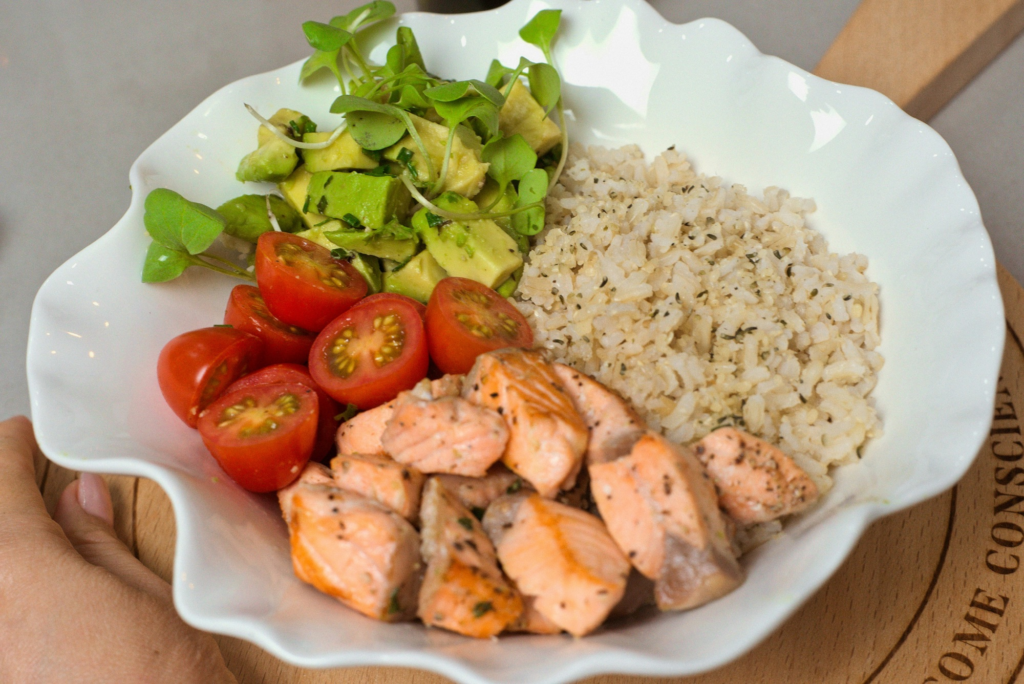
A simple way to build a meal is:
- A source of protein
- A carbohydrate source
- A healthy fat
- Fruits or vegetables for fiber and nutrients
Here are a few simple examples:
Breakfast
Greek yogurt with berries and granola
Lunch
Chicken rice bowl with avocado and roasted vegetables
Snack
Apple with peanut butter and a protein shake
Dinner
Salmon, potatoes, and asparagus
Macro-friendly eating does not mean eating perfectly — it simply means building meals that help fuel and satisfy your body.
You Do Not Need to Track Perfectly
This is probably the most important thing to remember!
You do not need perfect tracking to make progress.
Restaurant meals won’t always be exact. Homemade recipes may need to be estimated. Some days you might forget to log snacks or eat completely differently than planned.
That’s normal.
Macro tracking should support your life — not take it over.
Consistency matters far more than perfection, and learning to track in a flexible, realistic way is usually much more sustainable long term.
The Simplest Way to Start Tracking Macros
If you’re brand new to tracking, try to keep things simple.
1. Download a Tracking App
Apps like MyFitnessPal, Lose It!, or Cronometer can help you log meals and see your macros throughout the day.
2. Start Logging Your Meals
You don’t need to completely change your eating habits overnight. Start by simply tracking what you normally eat.
Awareness comes first.
3. Focus on Protein First
For many beginners, increasing protein intake is one of the simplest and most helpful changes.
Protein can help support:
- Fullness
- Energy
- Muscle recovery
- Balanced meals
Try adding a source of protein to each meal or snack.
4. Learn As You Go
Macro tracking becomes easier with practice.
Over time, you’ll naturally start recognizing:
- Portion sizes
- Higher-protein foods
- Balanced meal combinations
- What keeps you full and energized
You do not need to know everything right away.
Easy Macro Tracking Tips for Beginners
Repeat Simple Meals
Having a few go-to breakfasts or lunches can make tracking feel much easier.
Pre-Log Meals
If you already know what you’ll be eating later, logging it ahead of time can help reduce stress.
Use a Food Scale If It Helps
A food scale can be a helpful learning tool for understanding portion sizes and improving accuracy, but it should never become a source of stress or anxiety.
Many people naturally become better at estimating portions over time.
Don’t Stress Over Tiny Things
Vegetables, spices, condiments, and small bites do not need to become a source of obsession.
Track Imperfectly Instead of Quitting
An imperfect day of tracking is still better than giving up altogether.
Common Beginner Mistakes
Trying to Be Perfect
Perfection often leads to burnout and frustration.
Eating Too Little
Undereating can leave you feeling exhausted, overly hungry, low-energy, and more likely to overeat later.
Ignoring Protein
Balanced meals often become much easier when protein is included consistently.
Giving Up After One “Off” Day
One meal — or even one weekend — does not ruin your progress.
Macros Are Just One Piece of Nutrition
While macros can be a helpful tool, nutrition is about more than just numbers.
Things like:
- Fiber
- Micronutrients
- Hydration
- Sleep
- Stress
- Overall eating patterns
also play an important role in overall health and wellness.
Macro tracking should be used as a supportive tool — not the only measure of health.

A Quick Note About Mental Health & Tracking
For some people, tracking can become stressful or emotionally overwhelming.
If macro tracking begins negatively affecting your relationship with food, increasing anxiety around eating, or becoming obsessive, it may be helpful to take a step back and seek support from a qualified healthcare professional.
Your overall well-being matters more than hitting exact numbers.
Setting Your Goals
Macro needs are highly individual and can vary based on:
- Activity level
- Fitness goals
- Medical conditions
- Pregnancy or postpartum needs
- Muscle-building goals
- Weight loss goals
- Personal health history
While macro tracking can be a helpful tool, specific calorie and macro targets are best personalized to your body and lifestyle.
If you have a medical condition, history of disordered eating, specific performance goals, or want individualized nutrition guidance, consider working with a registered dietitian or qualified healthcare professional for support.
A Simple Place to Start
If you’re new to macro tracking, try this:
- Track your meals for 3–5 days
- Focus on adding protein to meals
- Notice how different foods make you feel
- Practice consistency instead of perfection
You might be surprised how much you learn simply by paying attention.
Final Thoughts
Macro tracking does not have to feel overwhelming, restrictive, or obsessive.
You do not need perfectly measured meals or flawless tracking to benefit from learning more about nutrition. Start simple, stay flexible, and focus on building habits that actually fit into your real life.