
Introduction
As a pelvic floor physical therapist, I’ve had the privilege of working closely with women at many different stages of life — during pain, recovery, major transitions, and everything in between. One thing I see over and over again is this: women experience the best outcomes when their care extends beyond just one body part or one treatment approach.
While rehabilitation is often what brings someone through my door, true healing — and long-term wellness — usually happens when women take a more holistic, multifaceted approach to their health. Not only does this support recovery from pain or dysfunction, but it also plays a powerful role in promoting longevity, resilience, and overall quality of life.
Holistic health isn’t about doing everything perfectly. It’s about understanding how our bodies, lifestyles, and daily habits work together — and learning how to support them in a sustainable, compassionate way.

What Holistic Health Means in My Practice
In my work, holistic health means looking at the whole person, not just the symptoms that show up on day one.
Yes, we address pelvic floor function, movement patterns, and physical rehabilitation — but we also talk about:
- Daily movement and how it fits into real life
- Stress and how it shows up in the body
- Sleep quality and recovery
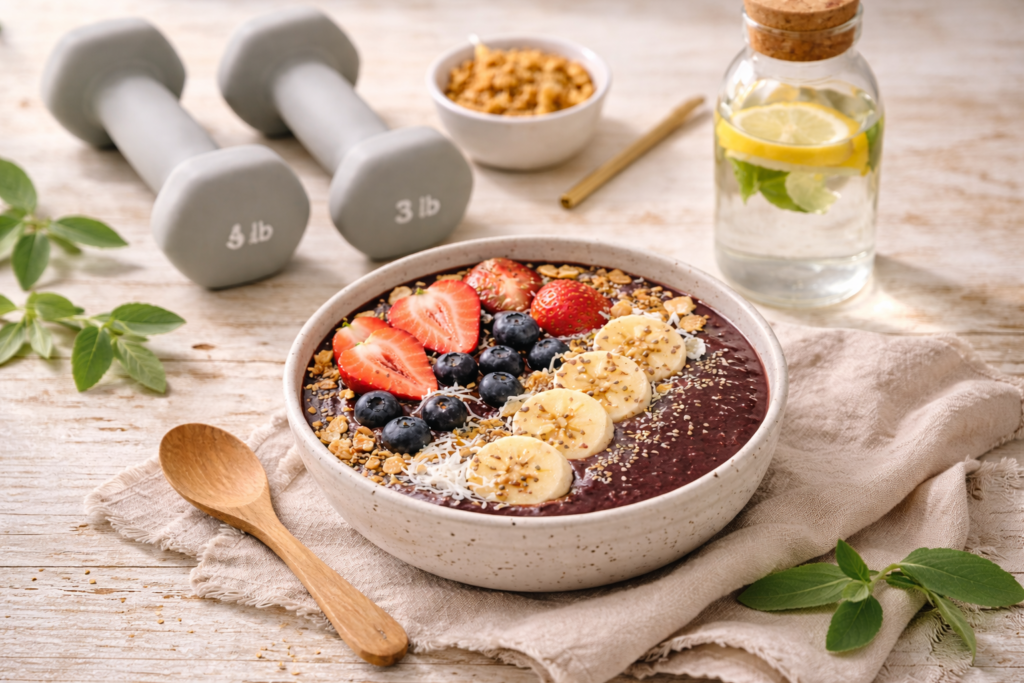
- Nutrition and how it supports healing and energy
So much of the education I provide goes beyond exercises alone. I often help clients understand why these factors matter and how small, consistent changes can make a meaningful difference over time.
Why a Holistic Approach Is Especially Important for Women
Women’s bodies are dynamic. Hormonal changes, life transitions, stress, and caregiving roles all influence how we feel and function — often in ways that aren’t immediately obvious.
A holistic approach allows care to be:
- Individualized, rather than one-size-fits-all
- Adaptable, based on energy levels and life demands
- Preventative, not just reactive
When women feel empowered to listen to their bodies and supported by a well-rounded care plan, outcomes often improve — not just in pain reduction, but in strength, confidence, and long-term well-being.
Building a Supportive Care Network
I frequently encourage my patients and clients to build a supportive network of care. Holistic health doesn’t mean doing everything alone — it means knowing when to reach out and who can help.
This might include:
- Mental health professionals for stress management and emotional well-being
- Nutrition professionals for fueling the body and supporting healing
- Fitness professionals who understand women’s bodies and movement needs
Establishing this kind of collaborative support can be incredibly impactful, both during rehabilitation and as a foundation for lifelong health.
A Gentle, Sustainable Approach to Wellness
At its core, holistic health is about connection — to your body, your habits, and your support system. It’s about creating routines that feel supportive rather than overwhelming, and choosing care that aligns with your life instead of competing with it.
My goal, both in my clinical work and here on this blog, is to help women feel informed, empowered, and supported as they care for their bodies — not just for today, but for the long term.