
One of the most common concerns I hear from patients before a trip is “Am I going to lose all my progress while I’m away?”
It’s a valid concern—especially if you’ve been consistent with physical therapy or working toward a fitness goal.
But the short answer is no. A few days or even a couple of weeks away from your usual routine is not going to undo your progress.
As I’m writing this, I’m on my way back from a trip to Japan, and I approached my own routine the same way—focusing less on structure and more on staying generally active and consistent where I could.
What matters more is how you approach movement while you’re away.
Letting It Look Different
Travel is not the time to expect your routine to look the same as it does at home.
Your schedule is different. Your environment is different. Your energy levels may even be different.
Instead of trying to replicate your usual workouts, it can be more helpful to shift your focus slightly.
A question I often encourage patients to ask themselves is:
“Did I do something intentional for my health today?”
That might be a short walk, a few minutes of stretching, or even just choosing to move your body after a long period of sitting.
It doesn’t need to be all-or-nothing to be effective.
What Staying Active Can Look Like While Traveling
Building movement into your day

A lot of travel naturally includes movement, even if it doesn’t feel like a workout.
Walking through airports, exploring a new city, or spending more time on your feet than usual all contribute.
If you have the option, choosing to walk instead of taking transportation for shorter distances can add up quickly without requiring extra time.
Keeping up with basic mobility
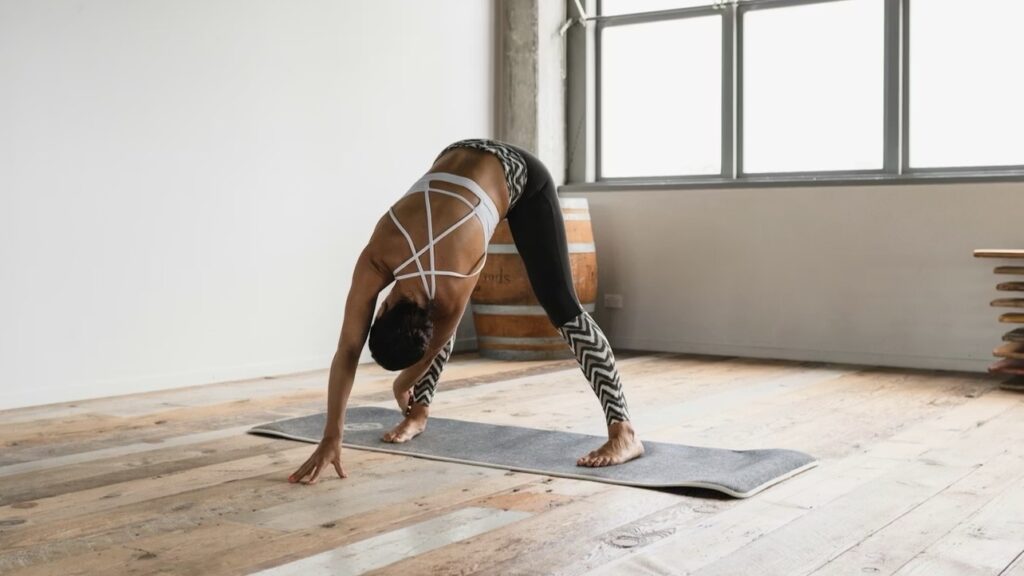
Long travel days—especially flights or extended periods of sitting—can leave you feeling stiff.
A short mobility routine, even 5–10 minutes, can make a noticeable difference.
Some simple options include:
- Cat/Cow
- Child’s Pose
- Seated hamstring stretch
- Seated piriformis stretch
- Butterfly stretch
These don’t require much space and can be done in a hotel room or even on the floor beside your bed.
Using simple strength work when it fits
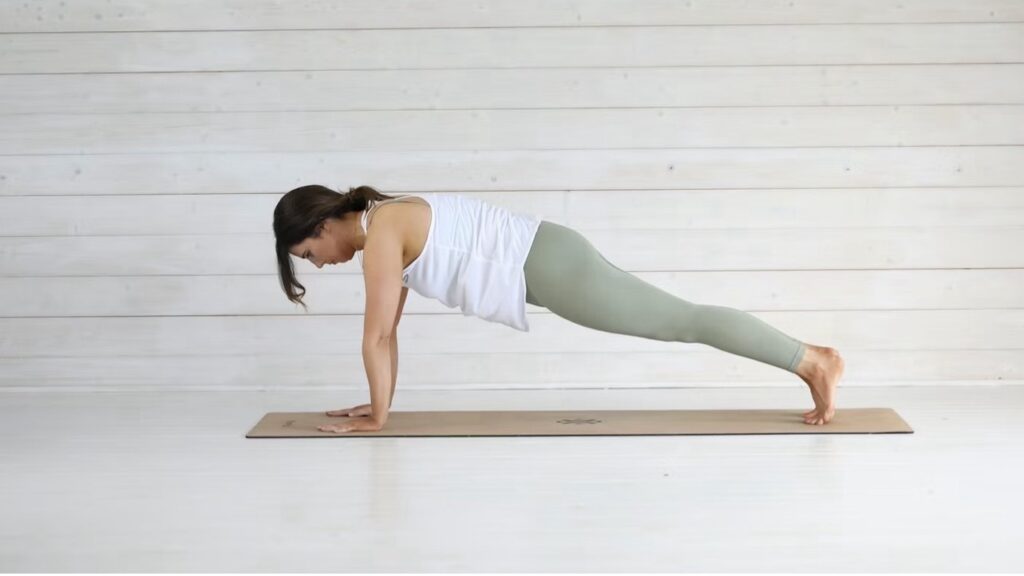
If you feel up to it, incorporating a few bodyweight exercises can help you maintain strength:
- Bridges
- Clamshells
- Leg lifts or circles
- Planks (including modified or side variations)
- Squats and lunges
- Single-leg deadlifts
- Core exercises like planks, crunches or rotational movements
This doesn’t have to be a full workout. Setting a timer for even 5–10 minutes can be enough to stay consistent.
Keeping it flexible (and realistic)
Some days you may do more. Other days you may do very little.
Both are okay.
Travel often involves long days, different time zones, and changes in routine. Listening to your body and adjusting accordingly is part of maintaining progress—not losing it.
A Quick Note on Nutrition
It’s also normal for eating habits to look different while traveling.
A balanced approach tends to work best:
- Being mindful of hunger and fullness
- Including a mix of foods when possible
- Allowing yourself to enjoy meals that are part of the experience
Trying to be overly restrictive often creates unnecessary stress, which isn’t helpful in the long term.
Final Thoughts
You don’t need to do everything perfectly to stay on track.
Small, intentional choices—like moving your body, taking a few minutes to stretch, or simply being more aware of your habits—are enough to support your progress while you’re away.
And just as importantly, travel is meant to be experienced. Enjoy the adventure!
Taking care of your body and enjoying where you are don’t have to be in conflict—you can do both.