When most people think about their “core,” they usually think about abs — crunches, planks, or trying to get a flatter stomach.
But your core is actually much more than that.
As a physical therapist, one of the things I spend a lot of time educating patients on is how the core functions as a system of muscles working together. This includes your abdominal muscles, pelvic floor, deep back muscles, and diaphragm. These muscles help support your spine, manage pressure inside the body, assist with breathing, and help you move more efficiently throughout daily life. I often refer to these as your foundation muscles.
Your core isn’t just something you use during workouts — it’s involved in nearly everything you do.
Your Core Is More Than Just Your Abs
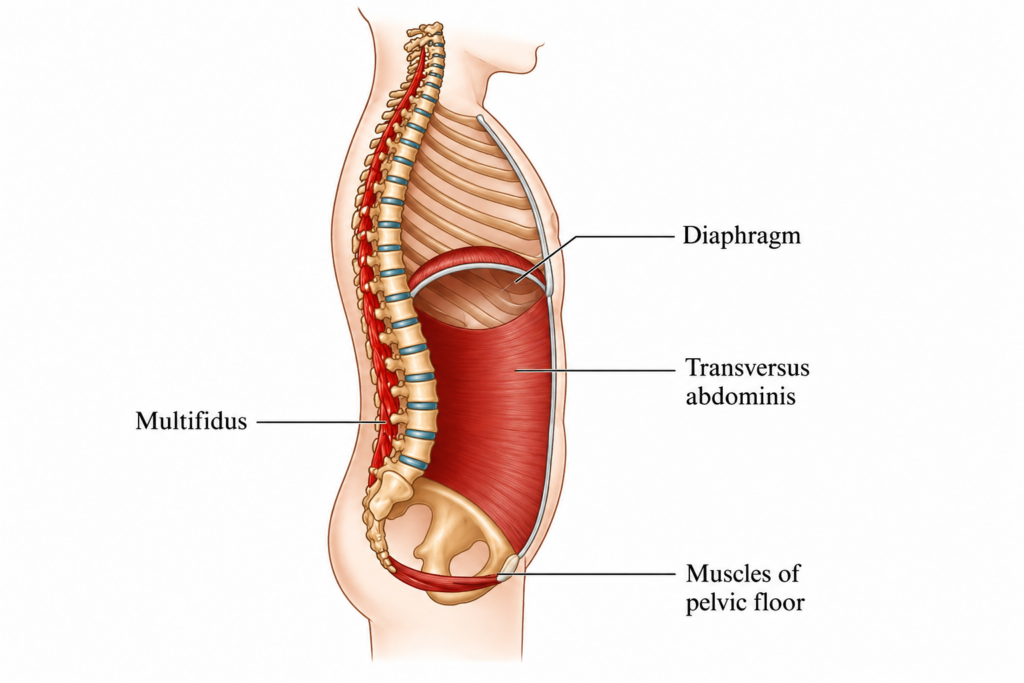
Your core is made up of multiple muscle groups that work together to create stability and support.
Some of the major players include:
- Your abdominal wall muscles
- Your pelvic floor muscles
- Your diaphragm
- Your deep back muscles
- Other supporting muscles around the hips and trunk
I often explain it to patients like a canister:
- Your diaphragm sits at the top
- Your pelvic floor sits at the bottom
- Your abdominal muscles wrap around the sides to the front
- Your deep back muscles help support the back portion
These muscles constantly coordinate with each other throughout the day — often without you even realizing it. This is what they are designed to do… however that doesn’t mean they don’t fall into dysfunction.
Why Your Core Matters
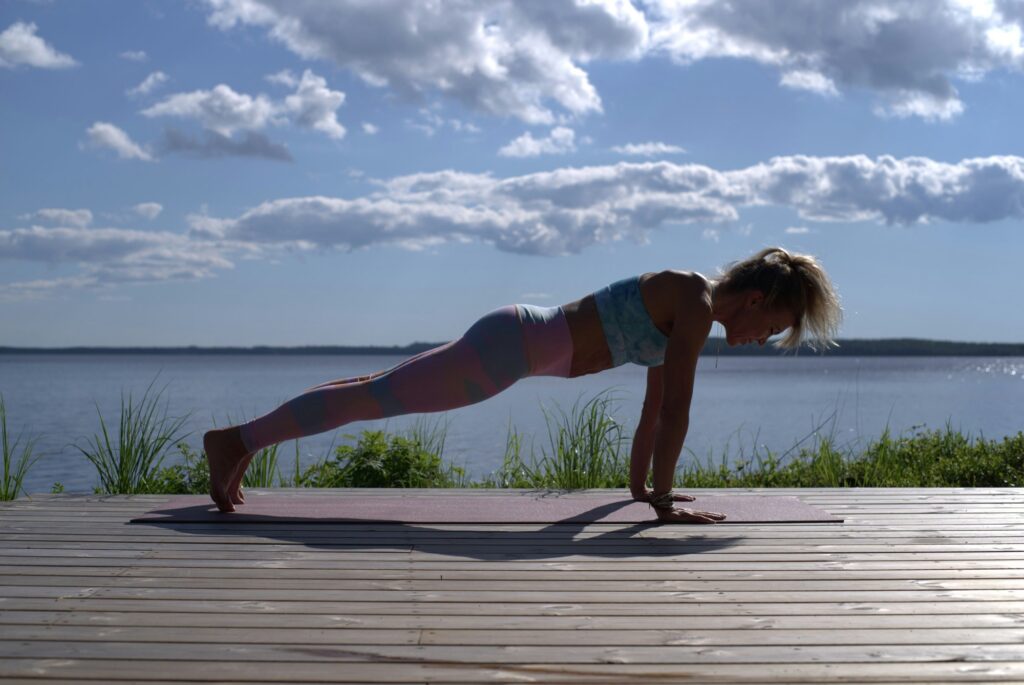
A healthy, functioning core helps support your body during both exercise and everyday activities.
Your core helps with:
- Posture and spinal support
- Balance and stability
- Lifting, bending, and carrying
- Breathing and pressure management
- Exercise performance
- Coordination and movement efficiency
Core strength also isn’t about keeping your stomach sucked in all day long. In fact, constantly bracing or tightening your abdominal muscles can sometimes create unnecessary tension and make it harder for these muscles to function naturally.
The goal is coordination and support — not constant gripping. This is often what I see in those who have increased tightness along their hips as well as their pelvic floor.
The Role of Breathing
One of the most overlooked parts of core function is breathing.
Your diaphragm is one of your primary breathing muscles, but it also plays an important role in core stability and pressure management. When you breathe well, your diaphragm, abdominal muscles, pelvic floor, and deep back muscles all work together more efficiently.
This is one reason I often incorporate breathing strategies into nearly all of my rehabilitation and exercise programs for patients. Proper breathing can improve coordination, reduce unnecessary tension, and help the body move more effectively.
Signs Your Core May Need More Support
Sometimes core dysfunction doesn’t show up as “weak abs.” Instead, it may look like:
- Low back discomfort
- Feeling unstable during exercise
- Difficulty maintaining posture
- Holding tension through the stomach or ribs
- Pressure or leaking symptoms during movement
- Trouble coordinating breathing with exercise
This doesn’t mean something is “wrong” with your body — it may simply mean these muscles need better coordination and support.
Core Training Doesn’t Have to Be Complicated
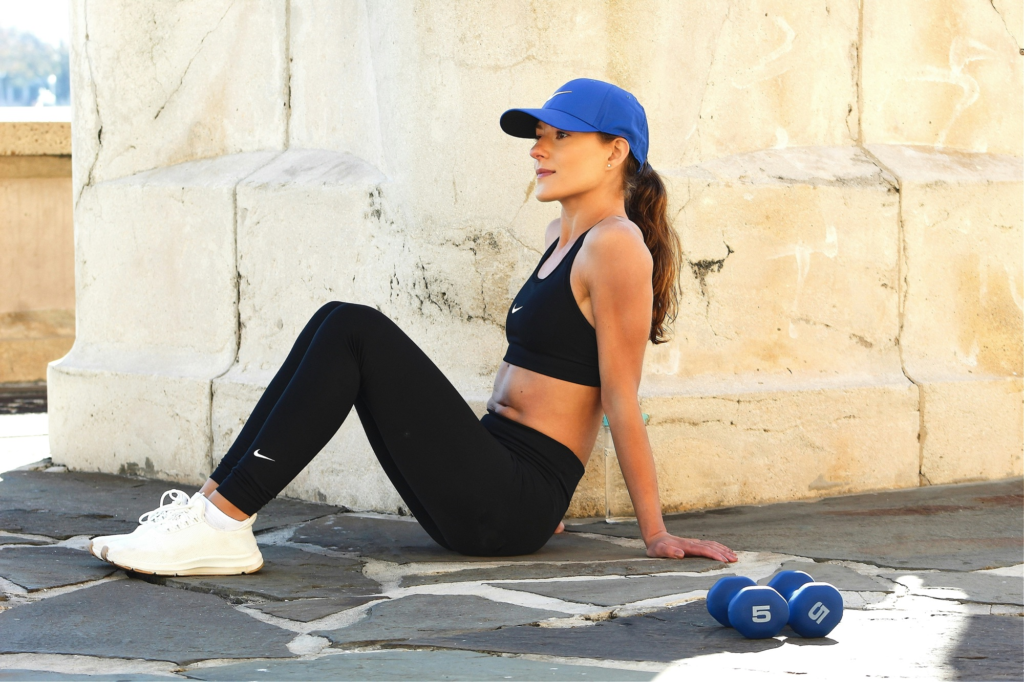
Improving core function doesn’t always mean intense ab workouts.
Some of the best ways to support your core can include:
- Walking
- Breathing exercises
- Dead bugs
- Bird dogs
- Glute bridges
- Functional strength training
- Learning how to move and breathe more efficiently
In many cases, consistency and proper coordination matter more than doing the hardest exercises possible.
Final Thoughts
Your core is designed to support you throughout everyday life — not just during workouts.
As a PT, I’m passionate about helping people better understand how these muscles work together, because education can make movement feel much less confusing and intimidating.
A strong core is not about having visible abs or constantly tightening your stomach. It’s about creating support, balance, coordination, and confidence in the way your body moves.